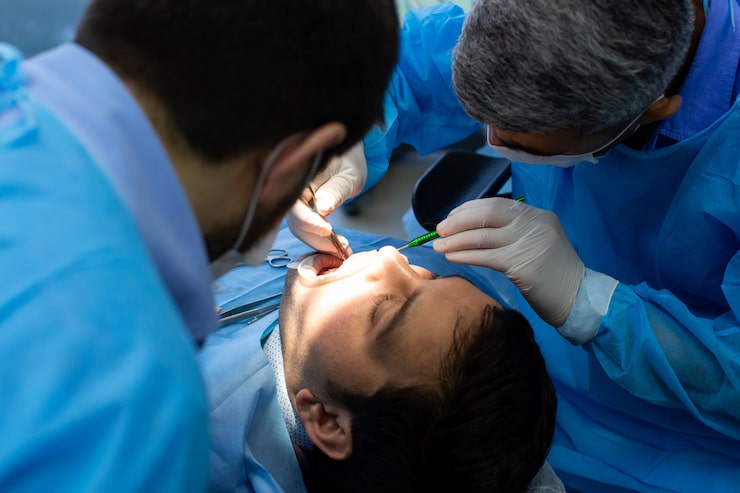
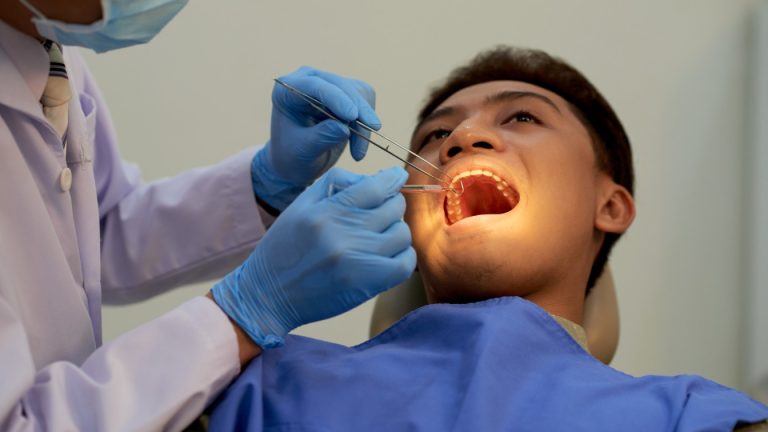
So, you’ve made the decision to get braces and are excited, yet nervous as to what the next steps are? You should feel great about this decision, and we are here to help! No matter if this is your first time researching orthodontic treatment, or if you are helping your child, this is the guide for you! You should know the facts, and we will give them to you in the easiest way possible.
Let’s go in-depth about braces and all the different variables that come along with them, such as how much they cost, the different types of braces (ceramic, clear, lingual, etc.) and colors, and the types of foods you can eat with braces. After reading this, you will be ready to get those braces!
How Much Do Braces Cost?
One of the most frequently asked questions is: “How much do braces cost?” The truth is, the price can vary, but here is the story behind it.
Consider two individuals; one requires only a simple adjustment, while the other needs more complicated realignments. They will both receive fantastic results, but their journeys will look different in terms of time, costs, and overall complexity. An average in Toronto shows traditional metal braces costing between $3,000 and $10,000. However, this average can change depending on:
- The type of braces selected
- The duration of the treatment
- The location and expertise of the orthodontists
- If any insurance coverage applies
The other types of braces, including ceramic and invisible aligners (e.g., clear aligners), are more popular options but are priced slightly higher due to their discreet nature. The most expensive types are lingual braces, which are positioned behind the teeth due to the high customization of the braces.
If you are considering for your child, remember that there are also orthodontic braces for kids. These prices will depend on how early the treatment starts and whether certain other appliances will be required.
For more affordability, most clinics, including us, will offer a variety of payment plans to ensure that braces can be paid month-to-month. So, if the total cost feels scary, most people pay gradually.
How Much are Braces in Toronto
If you are in Toronto, there is another question to answer: “The average cost of braces in Toronto is how much?”
The city of Toronto is recognized for its excellent dental services, but also for its extremely high prices for dental procedures compared to smaller towns. On average, though, with only a few differences:
- Traditional metal braces – $3,000 – $7,000
- Ceramic braces – $4,000 – $8,000
- Clear braces/invisible braces – $4,000 – $8,000
- Lingual – $8,000 – $10,000
These figures are typical, and though they can differ somewhat from this, they should give you a realistic idea of what to expect.
Orthodontists usually offer the above-mentioned advanced services for a higher fee – 3D digital treatments, virtual and flexible financing options. When choosing a clinic, make sure you also ask about these services, like insurance, payment plans, free consultation, etc.
Different Types of Braces
Selecting a style of braces is not simply a medical choice. It is also a question of lifestyle. The options go far beyond metal brackets (which are, of course, an option).
Here are your friendly options:
1) Metal Braces
These are the old-school, classic style. They are fun for younger patients to customize their braces with fun color combinations, and they are durable and effective for kids and adults.
2) Ceramic Braces
These are the fancier types of braces. The brackets are the same color as your teeth, so they are less noticeable than metal braces. Many grown-ups get ceramic braces because they mesh in with their smile.
3) Clear Braces / Invisible Braces
This type of braces includes the aligners, which are smooth, removable, and straighten your teeth without the use of brackets and wires. If you’re looking for a more flexible and discreet option, invisible braces are the ideal choice.

4) Lingual Braces
These braces function the same as the traditional ones, except for one major difference – they are placed behind your teeth, completely out of sight. Lingual braces are the top choice for many employers or people who want their braces to be discreet.
5) Orthodontic Braces for Children
Kids usually start their first orthodontic evaluations by the time they are around seven years old. Starting treatment early on can save bigger problems down the line. Children adapt to the braces and treatment process fast since they get to choose their favorite color for the braces.
What Can I Eat With Braces?
Just imagine it. You’re excited to show off the new smile you are getting with braces, and all of a sudden, the thoughts set in. What can I actually eat with braces on?
Good news for you, there are loads of braces-friendly foods to enjoy! Soft foods, noodles, and mashed potatoes will be your best friends on the days right after they are placed, and after every tightening.
Here is what you have to look forward to.
- Pasta, rice, and soft bread
- Yogurt, smoothies, and pudding
- Scrambled eggs, soft chicken, or fish
- Soups and stews
- Very soft fruits, like bananas and berries
- Mashed potatoes or cooked vegetables
Eating gets easier as your mouth gets used to the new changes. Just a reminder that for the first few days, you will need to watch what you eat, and that will be soft foods.
What Can You Not Eat With Braces?
Now, the not-so-fun part, which is the food you should be careful with.
Think about it like this: Too hard, sticky, or crunchy things will be damaging to the brackets and wires. That is something that will cause more appointments and make things take longer than they should, and nobody wants to have that.
Steer clear:
- Popcorn
- Sticky candies, like caramel or taffy
- Nuts
- Hard candy
- Ice cubes
- Crunchy chips
- Corn on the cob (Cut it off!)
- Hard bread or crusts
When picking your new fun braces colour, just make sure to keep these food habits in mind to keep everything looking fresh and stain-free.

Life With Braces: What to Expect
Braces are a tiny bit life-changing and definitely a new experience! You will feel a bit wonky in the first few days, and it may feel uncomfortable at times with some mild soreness, but don’t worry! You will be seeing your orthodontist every 4-8 weeks, and each time you will leave with a more perfect smile. It is a journey, but 100% worth it!
Taking care of your teeth is crucial. Brushing after every meal, trying some floss threaders, and adding a water flosser to your routine really help make caring for your teeth easier.
It is okay if a wire is poking and/or a bracket is loose–your orthodontist will be able to fix it for you. These small milestones happen to almost all patients.
The best day of all is when you get your braces off. Your all-new smile will make every appointment, all of the foods you have to avoid, and every little bit of waiting completely worth it.
Conclusion
Getting braces is a big and exciting step to being the best and most confident version of yourself. You have learned and understood everything you need to when it comes to the costs, types of braces, and the eating guidelines and life with braces, so now you can feel confident to take the next step.
Braces are not just a set of wires and brackets–they are the beginning of a new journey for improving your smile and self-confidence! Reach out to us at Woodbine Danforth Dental today for a smooth, efficient, and best selection and process for your braces!
Frequently Asked Questions (FAQs)
1. Are braces covered by dental insurance?
Yes, braces are covered by dental insurance. However, it is recommended to ask your insurer for details.
2. How much do braces cost in Canada with insurance?
Braces in Canada typically range between $ 1,500 and $ 5,000, but depend heavily on the type and your needs.
3. At what age is it best to get braces?
The age between 10 and 14 is the best for getting braces.
4. Is 25 too late for getting braces?
No, you can get braces at 25 as there is no age limit.