When it comes to the hard choice of Invisalign or braces for straightening your teeth, it has always been a tough decision. You can find yourself torn between the two, but both options have their own pros and cons. So, which one is right for you? At Woodbine Danforth Dental, we understand what each of the solutions holds and which option would suit you, depending on your needs. Let’s break it down in this blog to help you make the best decision for your smile journey.
Understanding Invisalign and Braces
Before we look into the advantages and challenges of Invisalign and braces, let’s have a look at what the differences are between them.
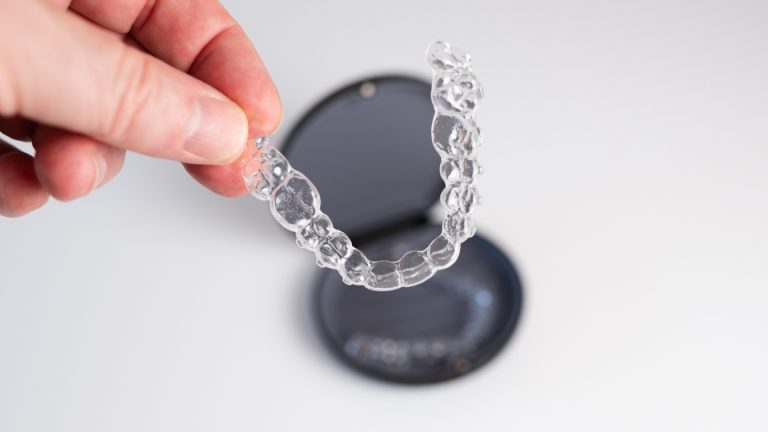
Invisalign is a modern solution for straightening teeth and a new alternative to braces. It makes the use of clear, removable, plastic aligners that gradually shift your teeth to the right place. They are discreet, easy to clean, and good for mild and moderate cases.
Contrary to it, braces are made up of metal and wire brackets and are fixed to your teeth. They are suitable for severe cases and apply constant pressure to shift your teeth over time. However, they are more visible and can cause gum irritation.
Benefits of Invisalign Over Braces
If you’re considering Invisalign vs braces, you’re probably wondering what makes Invisalign stand out. Here are some of the key benefits:
1. Aesthetic Advantage
One of the biggest draws of Invisalign is its discretion. The clear aligners are nearly invisible, meaning you can straighten your teeth without anyone noticing. This is especially appealing to adults or professionals who might feel self-conscious about wearing traditional metal braces. If you’re worried about how you’ll look during treatment, Invisalign provides a sleek, subtle solution.
2. Comfort and Convenience
Let’s face it: metal braces can be uncomfortable. The brackets and wires can cause irritation to the inside of your mouth, and you may even experience soreness after adjustments. With Invisalign, the smooth plastic aligners are much more comfortable. They don’t have any sharp edges, which means there’s less chance of mouth sores.
Plus, Invisalign aligners are removable. You can take them out when eating or drinking, giving you the freedom to enjoy your favorite foods without restrictions. This is a major advantage when comparing dental braces vs Invisalign, as braces can limit what you can eat. No more worrying about popcorn, caramel, or sticky foods getting stuck in your braces!
3. Removability for Easy Oral Hygiene
Maintaining good oral hygiene with braces can be a hassle. Brackets and wires create tiny spaces where food and plaque can hide, making brushing and flossing more challenging. With Invisalign, you simply remove the aligners when eating or brushing your teeth. This allows you to clean your teeth thoroughly, reducing the risk of cavities and gum disease. It’s a big plus for anyone who wants to keep their smile healthy throughout their treatment.
4. Shorter Treatment Time
While the length of treatment depends on the individual, many people find that Invisalign works faster than traditional braces for mild to moderate dental issues. The aligners are designed to make gradual but steady progress, and because there are fewer office visits (you change the aligners yourself), some patients see faster results compared to braces vs Invisalign.
5. Fewer Orthodontic Visits
With Invisalign, you typically have fewer appointments at the orthodontist compared to braces. Since you’re given several aligners at once, you only need to visit your orthodontist for check-ups and progress assessments. In contrast with traditional braces, you’ll need to schedule adjustments every 4-6 weeks.

Benefits of Braces Over Invisalign
While Invisalign offers many advantages, traditional braces are still a solid choice, especially for certain dental conditions. Let’s explore why some people still choose braces vs Invisalign:
1. Effectiveness for Complex Cases
If you have severe dental issues, such as extreme crowding, bite problems, or jaw misalignment, traditional braces might be a better option. Braces are highly effective at addressing more complex cases. They can apply constant pressure on your teeth, which is sometimes necessary to achieve the desired results for more challenging conditions.
2. No Need for Self-Discipline
With Invisalign, the aligners are removable, meaning it’s up to you to wear them consistently. This requires a level of discipline, as you must wear the aligners for at least 22 hours a day for the treatment to be effective. If you’re prone to forgetting or getting distracted, braces may be a better fit. Since they are fixed to your teeth, you don’t have to worry about remembering to put them back in or losing them.
3. Cost-Effectiveness
In some cases, braces can be more affordable than Invisalign. The cost of Invisalign aligners can be higher due to the technology and customization involved. However, braces are often more affordable upfront, especially if you’re dealing with basic dental issues. It’s important to check with your orthodontist to understand your treatment costs and determine which option fits your budget.
4. Better for Young Patients
For children and teenagers, braces are often the preferred choice. Kids are less likely to be responsible about wearing removable aligners consistently, which can delay their treatment progress. Braces offer a more reliable and hands-off approach for young patients, ensuring that they’re always working toward a straighter smile.

Which Option Is Right for You?
Choosing between Invisalign and braces depends on several factors. The severity of your dental issues, your age, lifestyle, and personal preferences will all play a role in determining the best treatment for you.
If you’re looking for a discreet, comfortable, and convenient option, Invisalign might be your perfect match. However, if you have complex dental needs or prefer a more cost-effective solution, traditional braces may be the better choice.
The best way to make your decision is to consult an orthodontist. They can evaluate your dental health, discuss your goals, and help you choose the treatment that will give you the smile you’ve always wanted.
Pros and Cons of Invisalign and Braces
| Feature | Invisalign | Braces |
| Aesthetics | Clear aligners, discreet | Visible metal brackets and wires |
| Comfort | Smooth plastic, fewer mouth irritations | Can cause irritation and discomfort |
| Removability | Removable for eating, brushing, and cleaning | Fixed to teeth, can’t be removed |
| Oral Hygiene | Easier to maintain clean teeth | Harder to clean, food can get stuck |
| Treatment Time | Can be faster for mild to moderate cases | Longer for severe cases |
| Complex Cases | May not work for severe dental issues | Effective for complex issues |
| Lifestyle Impact | Less impact on daily activities | Restrictive, especially with food |
| Cost | Typically higher than braces | Often more affordable |
| Discipline Needed | Requires patient commitment (wear 22 hrs/day) | No self-discipline required |
How to Maintain Oral Hygiene with Invisalign and Braces
Regardless of the option you select, it is very important to take care of your teeth and gums properly. If you have braces, you need to take your time to brush and floss to ensure that you do not get plaque accumulation around the braces. If you have fillings, do not forget to take out your aligners when you eat and drink anything that is not water. It is also important to clean your aligners regularly.
Conclusion
The decision between Invisalign vs braces isn’t always easy, but it ultimately comes down to your personal preferences and dental needs. Both options have their advantages and disadvantages, so it’s essential to weigh your options carefully. Whether you opt for the discreet and comfortable Invisalign or the reliable effectiveness of traditional braces, the most important thing is to take the first step toward achieving the smile you deserve.
Contact us today at Woodbine Danforth Dental to schedule a consultation and start your journey to a confident, beautiful smile!
Frequently Asked Questions (FAQs)
1. Which is better, braces or Invisalign?
The right choice depends on your individual needs and complexities.
2. Is Invisalign more effective than braces?
Invisalign gives similar results to braces; however, compliance is the key to effective results.
3. At what age is it best to get Invisalign?
Invisalign is best for ages 6 to 10.
4. At what age is it best to get braces?
The best age range is 10 to 14 for braces.