Over 90% of adults have had a cavity, but most of them are preventable.
There is nothing worse than holes, the sound of the drill, or even the cost of cleaning them.
But what if I told you that most cavities are actually preventable? Yes, really. With the right oral hygiene routine and healthy habits, you can significantly reduce your risk of tooth decay and prevent cavities to keep your teeth healthy for life.. In this guide, we’re sharing 15 dentist-approved cavity prevention tips to help you build better habits, avoid the drill, and maintain a healthy smile.
Let’s get right to it.

1. Brush Twice a Day, And Do It Right
If you are Googling “how to prevent cavities”, this is where it starts. The best thing you can do to protect your teeth is to brush them every morning and night. But not just a quick 10-second scrub.
You need:
- A soft-bristle toothbrush
- Fluoride toothpaste (the best toothpaste for cavities)
- Two minutes of brushing
- Small circle motions
- Don’t forget your back molars (they hide plaque)
Brushing properly is one of the best ways to maintain a healthy smile. It helps remove food, plaque, and bacteria that lead to tooth decay and helps keep teeth healthy.
2. Use the BEST Toothpaste for Cavities
Not all toothpaste is created equal. For the best cavity protection, look for ones with:
- Fluoride toothpaste (it’s a proven cavity fighter)
- ADA seal of approval
- No whitening agents (they can wear enamel)
Choosing the best toothpaste for cavities is one of the most effective ways to prevent cavities and keep your teeth healthy and strong. Ask your dentist which is right for you.
3. Floss Once A Day
Yes, even on weekends and when you’re tired. Flossing helps keep your teeth and gums healthy by cleaning out food and plaque hiding between your teeth where your toothbrush just can’t reach, and cavities often start.
If you skip it, that stuff builds up and can lead to cavities, bad breath, and gum problems. It only takes a few minutes, but it goes a long way in preventing cavities and promoting oral hygiene.
And if regular floss feels tricky or annoying, don’t worry. Try using a water flosser, floss picks, or soft rubber picks. They’re easier to use and still do a great job.
The key is just this: Do it every day. Your future smile will then.
4. Rinse With a Fluoride Mouthwash
Think of fluoride mouthwash as a shield for your teeth.
It helps protect the spots your toothbrush and floss might miss, those tiny cracks and spaces where bacteria like to hide. Dental enamel becomes stronger with fluoride, making it more resistant to cavities.
Every day, immediately after brushing and flossing, use it. After brushing and flossing for 30 seconds, swish your teeth once a day. This is a great natural way to prevent cavities.
Doing this small thing will protect your teeth from cavities in a big way, like extra insurance for your smile.
5. Cut Down on Sugar – Seriously
This one is a really big issue.
Cavities happen when bacteria feed on sugar, so the more you eat sugar, the more acid they create and the more damage they do to your teeth and gums.
So you need to avoid:
- Sugar sodas
- Candy
- Fruit juice
- Stucky snacks (like dried fruit)
Then swap all those in for:
- Water
- Nuts
- Cheese
- Crunchy fruits and veggies
Oral hygiene tips like these are key for you if you are looking for ways to prevent cavities and to keep your teeth healthy naturally.
6. Snack Smarter
If you love snacks (and let’s be honest, who doesn’t?), just make sure you’re smart about it.
Every time you eat, your mouth makes acid to break down food, and the more often you snack, the longer your teeth stay under attack.
Here’s a simple tip:
Eat your snacks in one sitting, not throughout the day. Then rinse with water, or brush your teeth afterward if you can.
Also, try to eat snacks that are good for your teeth, such as:
- Apples
- Celery
- Carrot sticks
- Almonds
- Cheese cubes
These help clean your teeth while you chew and don’t leave behind the sugar and acids that feed cavity-causing bacteria.
Little changes support natural ways to maintain a healthy smile and help keep your teeth healthy for a long time.

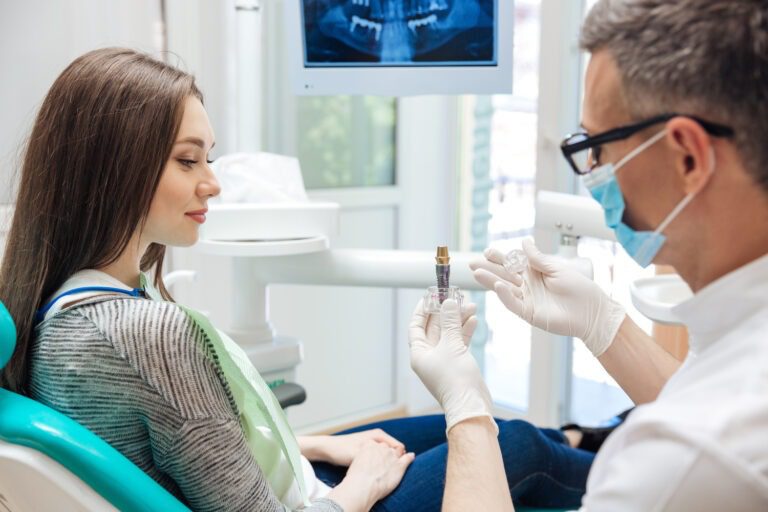
7. Visit the Dentist Regularly
You still need to go to the doctor even if you brush and floss every day. Why? Because you can’t always do things at home.
The dentist finds problems early, before they get worse and hurt.
- Dentists catch problems early, before they turn into big, painful ones
- Cleanings remove the hard stuff your toothbrush can’t reach
- X-rays find hidden cavities that you can’t see or feel yet
Dental check-up every 6 months helps keep your teeth strong, clean, and healthy. So don’t wait until something hurts, stay ahead of it.
Come see us at Woodbine Danforth Dental Care. We’re here to help you keep that smile in great shape. Contact us today to get any dental services in Woodbine & Danforth.
8. Drink More Water
Water is a natural way to protect teeth against tooth decay, and it’s very simple. You just have to do the following:
- Rinses sugars and acids
- Keeps your mouth hydrated
- Replaces saliva when it’s low
Sip water throughout the day, and especially after eating.
9. Avoid Acidic Drinks
Drinks like soda, energy drinks, and even flavored water might taste good, but they’re rough on your teeth.
Even if they’re sugar-free, they’re still acidic, which means they can wear down your enamel, the hard layer that protects your teeth. Cavities are more likely to happen when the enamel is weak.
If you do drink them, here’s how to protect your smile:
- Keep the drink away from your teeth by drinking through a straw.
- Rinse with water afterward to wash away the acid
- Don’t sip all day, it keeps your teeth under attack longer
Your best bet? Drink more water. It keeps your mouth clean and your teeth strong.
10. Clean Your Toothbrush (and Replace Often)
Your toothbrush does a big job every day, but it needs care too.
Over time, toothbrushes collect bacteria, and the bristles wear out. That means they don’t clean your teeth as well, and can even spread germs back into your mouth.
Here’s how to keep it fresh:
- Rinse it with hot water after every use
- Let it air dry standing up, not lying flat
- Never share it, not even with family
- Replace it every 3–4 months, or sooner if the bristles look worn out
A clean toothbrush = a cleaner mouth. Simple as that.
Advantages of Preventing Cavities
|
Advantages |
Why It Matters |
|
Avoid painful dental procedures |
No drilling, no root canals |
|
Save money on future treatments |
Prevention is cheaper than filling |
|
Keep your natural teeth for a longer period |
Less risk of extractions or dentures |
|
Fresher breath |
Fewer bacteria |
|
Have a brighter, whiter smile |
Less staining from plaque and decay |
| Stronger enamel |
Prevents tooth wear and damage |
|
Better overall health |
Less risk of heart disease, diabetes complications |
|
Improved confidence |
Healthy teeth = better self-esteem |
|
Fewer dental emergencies |
No surprise, pain, or infections |
| Easier eating and speaking |
Teeth stay functional and strong |
Need Help Preventing Cavities At Woodbine & Danforth?
We’ve got you covered.
At Woodbine Danforth Dental Care, we’re here to help you keep your smile strong and healthy in Woodbine & Danforth. Whether it’s time for a checkup, a cleaning, or you just want some honest advice on how to take better care of your teeth, we’re ready when you are.
Your smile is one of your most valuable assets—take action now to protect it for years to come. Book your appointment today and start your journey toward a healthier, brighter smile.
Final Thoughts
Maintaining a healthy smile is simple with consistent habits. Eat healthy foods, brush regularly, floss daily, and use fluoride mouthwash. Watch for hidden sugars in foods, and replace worn-out toothbrushes regularly. Chew sugar-free gum when you can’t brush. Don’t skip brushing before bed to let your mouth rest. These small steps protect your teeth and prevent cavities, ensuring a healthier, brighter smile for years to come. Start today for a lifetime of dental health!
FAQs About Preventing Cavities
Q: What is the best way to prevent cavities naturally?
A: Brush twice daily, floss, drink water, use fluoride toothpaste, and limit sugar.
Q: How often should I floss?
A: At least once a day, every day. Flossing keeps your teeth healthy and strong.
Q: How can I protect my child’s teeth from cavities?
A: Start early. Use fluoride toothpaste, avoid sugary drinks, and teach them toothbrushing tips from day one.