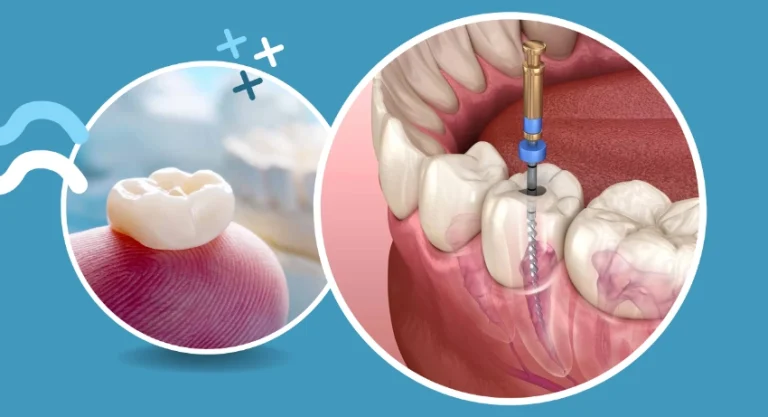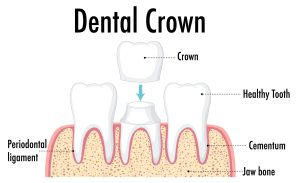
Dental crowns are a common solution to a variety of dental problems, offering both cosmetic and functional benefits. Whether you need to protect a damaged tooth, restore its shape, or improve your smile’s appearance, dental crowns can play a significant role in your oral health. But what exactly are dental crowns, how do they work, and what should you expect during the process?
In this guide, we’ll cover everything you need to know about dental crowns, from types and costs to the procedure and care tips. Let’s dive in!
What Are Dental Crowns?
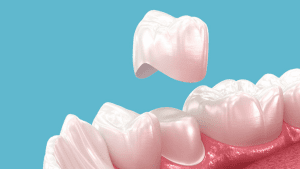
Dental crowns are tooth-shaped caps that fit over a damaged tooth to restore its size, shape, strength, and appearance. Essentially, they cover the entire visible portion of the tooth, providing a protective layer.
Purpose of Dental Crowns:
- Restore function: Crowns help restore the function of a weakened or broken tooth.
- Protect the tooth: They safeguard the tooth from further damage.
- Improve appearance: Crowns can be used for cosmetic improvements, enhancing the look of a discolored or misshapen tooth.
So, what are dental crowns? They are a reliable, long-lasting solution to restore and protect your teeth.
How Dental Crowns Work
Crowns work by covering the entire tooth, providing a shield against further damage while also improving the tooth’s appearance.
- Cover damaged teeth: When a tooth is cracked, decayed, or worn down, a crown is placed over it to restore its function.
- Restore strength: Crowns provide support to weakened teeth, preventing fractures or further damage.
Essentially, how dental crowns work is by sealing the tooth with a durable, custom-made cover that blends in with the rest of your teeth.
Types of Dental Crowns
There are several types of dental crowns, each made from different materials. The choice of crown depends on the location of the tooth, your dental needs, and personal preferences.
Types of Dental Crowns:
- Porcelain Crowns: These are highly aesthetic and mimic the natural color and translucency of teeth. They are commonly used for front teeth.
- Ceramic Crowns: Similar to porcelain, ceramic crowns are durable and provide excellent aesthetics, but they may be slightly less strong than porcelain for back teeth.
- Metal Crowns: Made from gold or other alloys, metal crowns are durable and resistant to wear. However, they are not as aesthetic, so they are typically used for back teeth.
- Porcelain-fused-to-metal Crowns: These combine the strength of metal with the aesthetic qualities of porcelain, making them suitable for both front and back teeth.
- Zirconia Crowns: Made from a strong, durable material, zirconia crowns are known for their strength and ability to mimic natural tooth color.
Each of these types of dental crowns has its own benefits, and the choice depends on factors like location in the mouth and personal preferences.
Types of Dental Crowns and Cost
The cost of dental crowns can vary depending on the material used and the complexity of the treatment. Here’s an overview of what to expect:
- Porcelain Crowns: Typically cost $800 to $3,000 per crown.
- Zirconia Crowns: Generally range from $900 to $2,500 per crown.
- Metal Crowns: Usually cost $600 to $2,500 per crown, depending on the material.
- Porcelain-fused-to-metal Crowns: These range from $800 to $2,500.
The cost of dental crowns can also vary based on the location of your dental office, the experience of your dentist, and whether the crown is placed on a front or back tooth. Your dentist will help you choose the best crown for your needs and budget.
Dental Crown Procedure: Step-by-Step
The dental crown procedure typically takes two visits to your dentist. Here’s a breakdown of the dental crown procedure steps:
1. Consultation and Tooth Preparation
Your dentist will examine the tooth and take X-rays to ensure there is enough healthy tooth structure to support a crown. If necessary, your dentist will remove any decay and shape the tooth to fit the crown.
2. Impression or Digital Scan
Your dentist will take an impression of the prepared tooth (or use a digital scan) to create a custom crown that fits perfectly. This impression is sent to a dental lab where the crown will be made.
3. Temporary Crown
While your custom crown is being made (usually about 1-2 weeks), your dentist will place a temporary crown to protect the tooth.
4. Final Placement
Once your permanent crown is ready, you’ll return to your dentist to have it placed. The dentist will ensure it fits properly, adjust it for bite, and cement it into place.
Same-Day Dental Crowns
For those in a rush, same-day dental crowns offer a convenient alternative. These crowns are created using advanced technology, such as CEREC machines, which allow your dentist to design, fabricate, and place a custom crown in just one visit.
Benefits of same-day crowns:
- Faster: No waiting for a second appointment.
- Convenient: You leave the office with your permanent crown in place.
- Comfortable: No temporary crown to worry about.
Same-day dental crowns are a great option for busy schedules, though not all dentists offer this technology.
Benefits and Advantages of Dental Crowns
Dental crowns offer several benefits, including:
- Protect damaged teeth: Crowns provide a protective cover for cracked, weakened, or decayed teeth, helping prevent further damage.
- Restore function: Crowns restore the full function of a damaged tooth, allowing you to chew and speak without discomfort.
- Improve appearance: Crowns can restore the shape, color, and size of your tooth, enhancing your smile.
Overall, the advantages of dental crowns make them a go-to solution for improving both the functionality and appearance of your teeth.
Disadvantages of Dental Crowns
Though dental crowns are effective, there are some disadvantages to consider:
- Cost: Crowns can be expensive, particularly for high-quality materials like porcelain or zirconia.
- Sensitivity: Some patients experience temporary sensitivity to hot or cold after getting a crown.
- Wear and tear: Over time, crowns may need to be replaced, especially if they’re exposed to heavy chewing forces.
Despite these drawbacks, the benefits of dental crowns often outweigh the negatives, especially for patients with severely damaged or decayed teeth.
Tooth Crown vs Filling
If you’re wondering whether to opt for a crown or a filling, consider the following:
- Tooth Crown vs Filling: Crowns are generally used for more extensive damage, while fillings are ideal for smaller cavities.
- When a crown is better: Crowns are recommended when the tooth is extensively decayed, cracked, or weakened.
- Key differences: Crowns cover the entire tooth, while fillings only fill a cavity, making crowns a better choice for structural support.
Dental Crowns Before and After
The transformation from a damaged tooth to one protected by a crown can be significant. Dental crowns before and after results show not only functional improvements but also aesthetic enhancements. Crowns can restore the natural look of a tooth, giving you a more youthful and vibrant smile.
Pediatric Dental Crowns (For Kids)
Sometimes, children need crowns too, especially if they have severe decay or damage to their baby teeth.
When Kids Need Crowns
- Severe cavities: When a cavity is too large for a filling.
- Damaged baby teeth: A crown may be necessary to preserve a child’s tooth until it naturally falls out.
Types of Crowns for Kids
- Stainless steel crowns: Often used for kids, these crowns are durable and cost-effective.
Pediatric dental crowns help protect children’s teeth and ensure they develop a healthy smile.
How Long Do Dental Crowns Last?
The lifespan of your crown depends on several factors:
- Material: Porcelain crowns last around 5–15 years, while metal crowns can last longer.
- Care: Proper oral hygiene and avoiding excessive force (e.g., chewing ice) can extend the crown’s lifespan.
Average Lifespan:
- Porcelain crowns: 5–10 years
- Metal crowns: 10–15+ years
How to Care for Dental Crowns
Proper care can help your dental crowns last longer. Here are some dental crown care tips:
- Brush and floss daily: Keep the area around the crown clean to prevent decay.
- Avoid hard foods: Don’t chew on hard items like ice or nuts that could damage the crown.
- Regular dental visits: Visit your dentist regularly to check the condition of your crown.
Frequently Asked Questions
1. What are dental crowns made of?
Dental crowns are typically made from porcelain, ceramic, metal, or zirconia, with each material offering different benefits in terms of strength and appearance.
2. How long do dental crowns last?
The lifespan of dental crowns ranges from 5 to 15 years, depending on the material used and how well you care for them.
3. How much do dental crowns cost?
The cost of dental crowns can range from $800 to $3,000, depending on the type of crown and the complexity of the procedure.
4. Is the dental crown procedure painful?
The procedure itself is usually painless since local anesthesia is used to numb the area. Some mild discomfort may occur after the procedure, but this typically resolves within a few days.
5. Crown vs filling: which is better?
A crown is better for extensive tooth damage, while a filling is ideal for smaller cavities. Crowns offer more comprehensive protection and restore the tooth’s structure.
Conclusion
Dental crowns are a valuable solution for restoring damaged or decayed teeth. They not only protect the tooth but also improve its appearance and function. With proper care, a dental crown can last many years and provide lasting benefits.
If you’re considering a crown or need more information & you are from the Toronto area, schedule a consultation with Woodbine & Danforth Dental Care. They can guide you through the best options for your specific needs, ensuring your smile stays healthy and strong for years to come!